
Describe the property
Send the location, symptoms, equipment and access details. State whether the work is a repair, replacement or planned project.
Need duct cleaning in Sarnia? Tell us which air ducts, dryer vent or ventilation equipment need attention. A responding provider will confirm coverage and availability before booking.
Get A Free QuoteCompare supply and return coverage, negative-pressure collection, and optional camera documentation. System layout and access determine which trunks and branch runs can be inspected and included.
View scopeAsk whether the scope follows the complete route from dryer to exterior hood, including overhead runs and bends, and whether airflow is checked at the termination after cleaning.
View scopeConfirm separately whether blower access, evaporator coil cleaning, and condensate pan and drain inspection are included. Equipment model and component access affect the work.
View scopeIdentify the HRV core, screens, filters, dampers, and individual bathroom, laundry, and range exhaust routes. Ask which components and exterior terminations the scope covers.
View scopeFirst identify the likely odour source and whether duct cleaning is appropriate. Review the proposed product, label directions, application sequence, and written re-entry guidance.
View scopeAsk whether leakage testing identifies specific joints before repair. Compare proposals for mastic sealing, detached boots, and replacement of crushed or damaged duct sections.
View scopeList rooftop units, make-up air equipment, access limits, and permitted work windows. Request a system-by-system scope and confirm the format of photo and completion records.
View scopeFor a commercial building in Sarnia, define the system boundaries and operating constraints before comparing duct-cleaning proposals. List rooftop units, make-up air equipment, occupied areas, and any access restrictions, then ask how the scope will document each system. If work must avoid business hours, identify acceptable shutdown windows and required approvals. Request sample formats for photographs, scope records, and completion documentation so facility staff can assess whether the records meet their own review requirements.
Compare supply and return coverage, negative-pressure collection, and optional camera documentation. System layout and access determine which trunks and branch runs can be inspected and included. Ask whether the scope follows the complete route from dryer to exterior hood, including overhead runs and bends, and whether airflow is checked at the termination after cleaning. Confirm separately whether blower access, evaporator coil cleaning, and condensate pan and drain inspection are included. Equipment model and component access affect the work.
Identify the HRV core, screens, filters, dampers, and individual bathroom, laundry, and range exhaust routes. Ask which components and exterior terminations the scope covers. First identify the likely odour source and whether duct cleaning is appropriate. Review the proposed product, label directions, application sequence, and written re-entry guidance.
Ask whether leakage testing identifies specific joints before repair. Compare proposals for mastic sealing, detached boots, and replacement of crushed or damaged duct sections. List rooftop units, make-up air equipment, access limits, and permitted work windows. Request a system-by-system scope and confirm the format of photo and completion records.
A dryer vent assessment in Sarnia should trace the actual route from appliance to exterior termination. Long overhead sections, bends, crushed flex duct, and an obstructed wall or roof cap can all affect the work required. Before requesting a quote, note where the dryer sits, photograph accessible ducting and the outside hood, and describe any change in drying time. Ask whether the proposed scope includes the complete run and how airflow will be checked after cleaning.
Explore this serviceSend the location, symptoms, equipment and access details. State whether the work is a repair, replacement or planned project.
The request is reviewed so the responding provider can clarify the work, property access and service coverage.
Agree the provider identity, qualifications, written scope, pricing and visit window directly. Sending a form does not confirm an appointment.
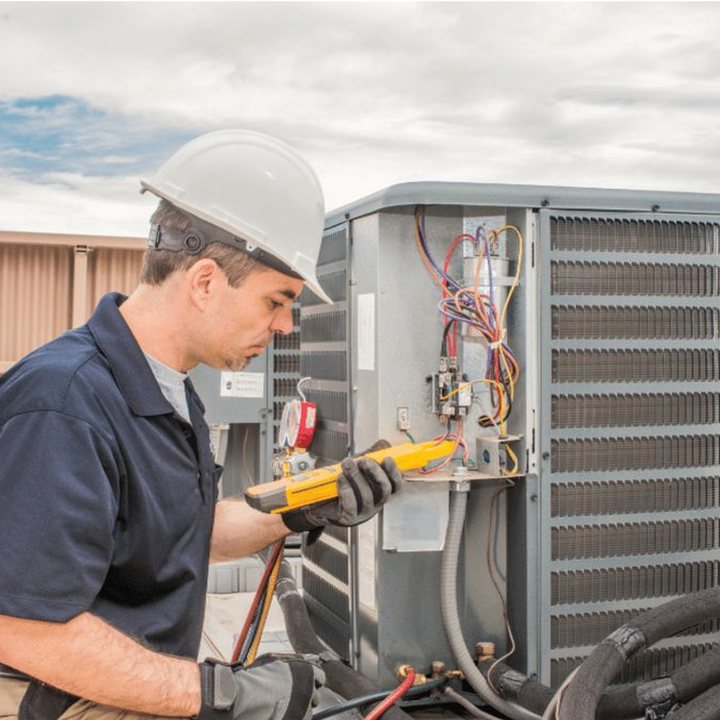
List rooftop units and make-up air equipment separately, then ask what inspection, access, and cleaning each includes. If equipment is difficult to reach or has operating restrictions, share that information in advance. A system-by-system scope makes it easier to compare estimates and final invoices; confirm how additional findings or work outside the agreed boundaries would be documented and approved.
Ask whether the inspection will include accessible trunk lines and representative branch runs, and whether images will be shared with you. Photographing the same areas afterward makes comparison more useful. A camera can show visible interior conditions, but it does not by itself measure indoor air quality or establish that every part of a system is clean.
Ask what pressure or leakage test is proposed, which parts of the system it covers, and whether results will identify specific leaking joints or punctures. Testing can help target the repair budget, while broad sealing without findings may miss damaged sections. Access, system configuration, and test method affect interpretation, so request the results and the limits of the assessment in writing.
Ask where the evaporator coil is located, whether it can be accessed, and what cleaning method is appropriate for its construction. If deposits are visible, share a photo and ask how fins will be protected during cleaning. Coil condition and access change the work required; a cleaning estimate should distinguish coil treatment from blower service rather than bundling them without explanation.
Ask whether loose debris and residue will be removed before any treatment is considered. Applying a product over dust can leave the underlying material in place, so the proposed sequence matters. Request a description of the areas to be cleaned and treated, and ask how the product is intended to be used on the particular duct surfaces in your system.
Use the form to describe the property, the symptoms and the work requested. For Point Edward, Corunna, Bright's Grove, Camlachie, include your postal code so local coverage can be checked.
For a property in Sarnia and Lambton, describe the work and access details in the form. The listed locations do not confirm a provider's travel range or availability.